You have a name. The team likes it, the logo works, and the .com is registered to someone who has never built anything on it. That is where most naming projects stall, and it is where the search for brandable domain names usually begins.
The cost of getting this wrong arrives late. A name people misspell on the phone leaks traffic quietly, month after month. A name built around today's keyword boxes the company in when the product line changes. A name sitting close to a registered trademark can force a rebrand after the first marketing dollar is spent.
This guide sets out the criteria we apply before anyone spends money on a name: memorability, pronunciation, market fit, extension, legal risk and domain history. Six checks, in the order we run them.
Table of contents
- What Makes a Domain Name Brandable?
- Brandable, descriptive and exact match: three names, three jobs
- Memorability and the phone test
- Market fit: the buyer you can picture
- The extension question
- Legal risk: clearance before acquisition
- Domain history: what you inherit
- Five Mistakes We See on Founder Shortlists
- Frequently Asked Questions About Brandable Domain Names
What Makes a Domain Name Brandable?
A brandable domain name is a name that works as a brand first and a description second. It is short, easy to say and easy to spell, free of hyphens and digits, and specific enough that a buyer can picture who it belongs to. It carries no trademark conflict and no problematic usage history.
That definition is short on purpose. The work is in the six checks underneath it, and a name that fails any one of them fails in a way that costs money later rather than at launch.
Brandable, descriptive and exact match: three names, three jobs
Founders rarely compare name types explicitly. They compare individual names, which hides the fact that the three types do different jobs and carry different risks. A descriptive name explains the business. An exact match domain is the search phrase itself, such as the service plus the product category. A brandable name carries no built-in meaning and takes the meaning you give it.
| Name type | What it does on day one | What it constrains later | Example |
|---|---|---|---|
| Brandable, coined or evocative | Says nothing, so the company defines it | Requires marketing spend to build meaning | Google.com |
| Descriptive | Explains the offer without a tagline | Harder to protect, easy for a competitor to approximate | Booking.com |
| Exact match | Mirrors the phrase a customer types | Fixes the company to one category and one phrasing | CarInsurance.com |
We work with brandable names for one reason: they are the only category that still belongs to the company after a pivot. The trade is real, and it runs in both directions.
What works in practice:
- a coined name is far more likely to clear a trademark search, because nobody else is using a word that did not exist before;
- it survives a change of product line, a change of market and a second business line without contradicting the company;
- it gives a designer and a copywriter something to work with, since meaning that is not fixed can be shaped.
Where this approach falls short:
- a coined name explains nothing on first contact, and that gap has to be closed with copy, which is a real cost for a company with no marketing budget;
- a descriptive name can outperform it in a trade or a local service business, where the customer is comparing two suppliers and wants to know what they do;
- an unusual construction can fail the spelling test even when it reads well, which is the next criterion.
Which name type fits your business?
Five questions about the business, not about the name. The answer tells you which of the three types is working in your favor, and the condition that would reverse it.
5 answers left.
Memorability and the phone test
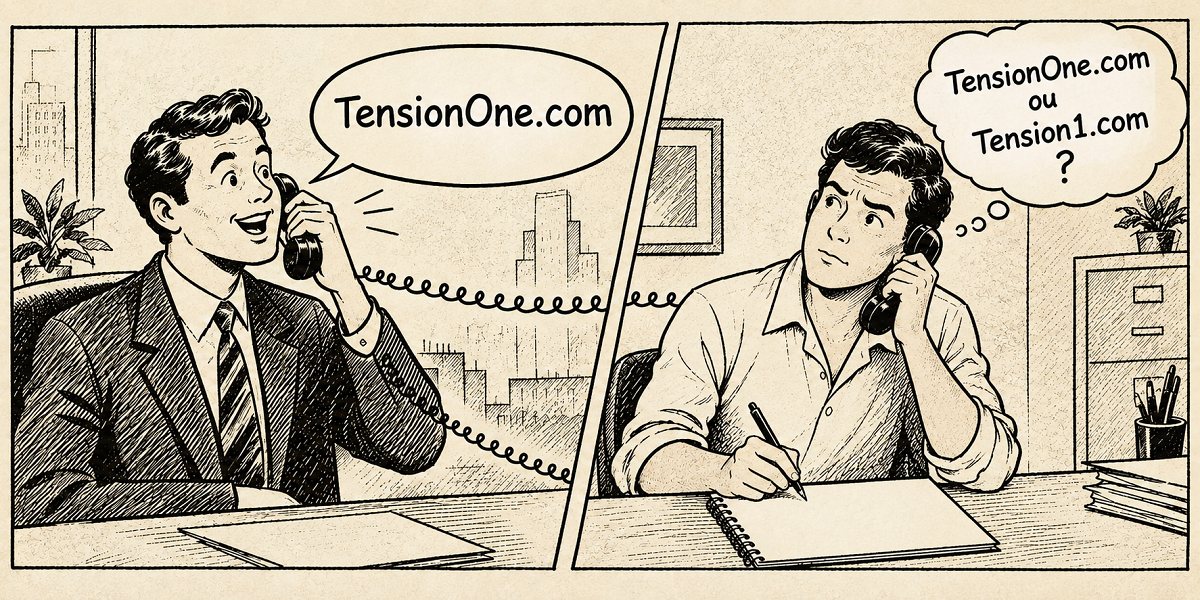
We apply one test before any other. Say the name out loud once, then ask the other person to write it down. If they hesitate, ask a question, or produce a variant, the name has a cost attached to it that will never show up in an analytics dashboard.
Length and syllable count are the two levers here. Short names with one to three syllables survive the test more often, and names that stack consonants or rely on a silent letter fail it more often. We treat 15 characters as an outer limit and prefer names under 12.
Hyphens and digits fail the test almost by definition. A hyphen has to be spoken, a digit has to be disambiguated between the word and the numeral, and both send part of your traffic to a version of the name you do not own.
The split is easiest to see with a real name. A client brought us TensionOne. The name cleared every other criterion, and it breaks in exactly one place: the last part can be written either as the word “One” or as the numeral “1.” Written down, the distinction is clear: TensionOne.com and Tension1.com. Spoken in a call, on a podcast, or across a counter, however, it is not, and neither spelling is wrong.
That is not a matter of preference, and brand guidelines do not fix it. Once the name is said out loud, both written forms exist in the market whether the company chose one or not. The question stops being which version is correct and becomes who owns the other one.
The owner wanted the name, and the name was worth keeping. We recommended acquiring both tensionone.com and tension1.com and pointing one at the other with a redirect, meaning the second domain forwards every visitor straight to the main site. Traffic typed either way lands on the company's own pages. Where that second form is already held by an active business, the calculation changes and the name goes back on the shortlist for review.
Market fit: the buyer you can picture
A brandable name should do one of two things. It either reads as sector neutral, so the company can move without the name arguing with it, or it points clearly at one identifiable sector. The names that fail sit between the two.
The test is simple. Describe the name to someone outside the project and ask what kind of company it belongs to. If the answers scatter across unrelated industries and none of them is yours, the name is ambiguous rather than flexible.
This is also where tone matters more than founders expect. A soft, vowel-heavy name and a hard, clipped name send different signals about price point and seriousness, and the signal reaches the visitor before any copy does.
The extension question
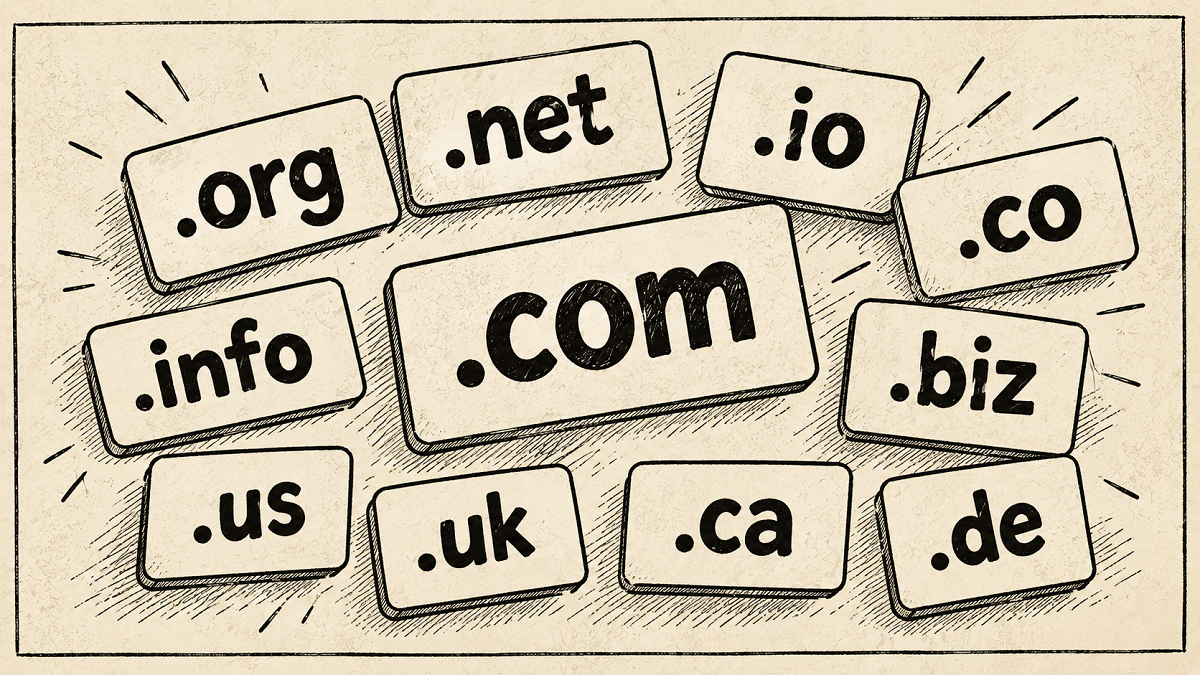
The extension, or TLD, is the part after the final dot. We treat .com as the default and everything else as a decision that has to be argued for, because .com remains the extension people type when they guess. According to Verisign's Domain Name Industry Brief for Q2 2026, .com had 166.6 million registered domains out of 401.6 million domains across all TLDs, representing approximately 41.5% of the global domain name base as of June 30, 2026.
Alternative extensions do work in specific conditions. A technical product with a technical audience can carry .io or .ai without friction, and a nonprofit can carry .org without explanation. The condition is that the audience already reads that extension as normal.
The failure case is predictable. When a company takes an alternative extension while the .com is held by someone else, part of its own traffic arrives at a stranger's page, and that leak grows with every marketing dollar spent. We treat that as a cost of the name, not an inconvenience.
If you are weighing a specific name against a specific extension, that is the kind of decision our brand naming consultation is built to settle.
Legal risk: clearance before acquisition
Registering a domain and owning a brand are two separate things, and confusing them is the most expensive mistake in this guide. The World Intellectual Property Organization sets out this relationship in its guidance on securing a domain name, which treats domain selection and trademark protection as one process rather than two. You can read WIPO's guidance on securing a domain name for a new venture before you shortlist.
The United States Patent and Trademark Office is explicit on the same point: a domain registration does not by itself create trademark rights, and the trademark process runs on its own criteria. Its overview of the USPTO trademark process is the primary reference for what registration does and does not confer.
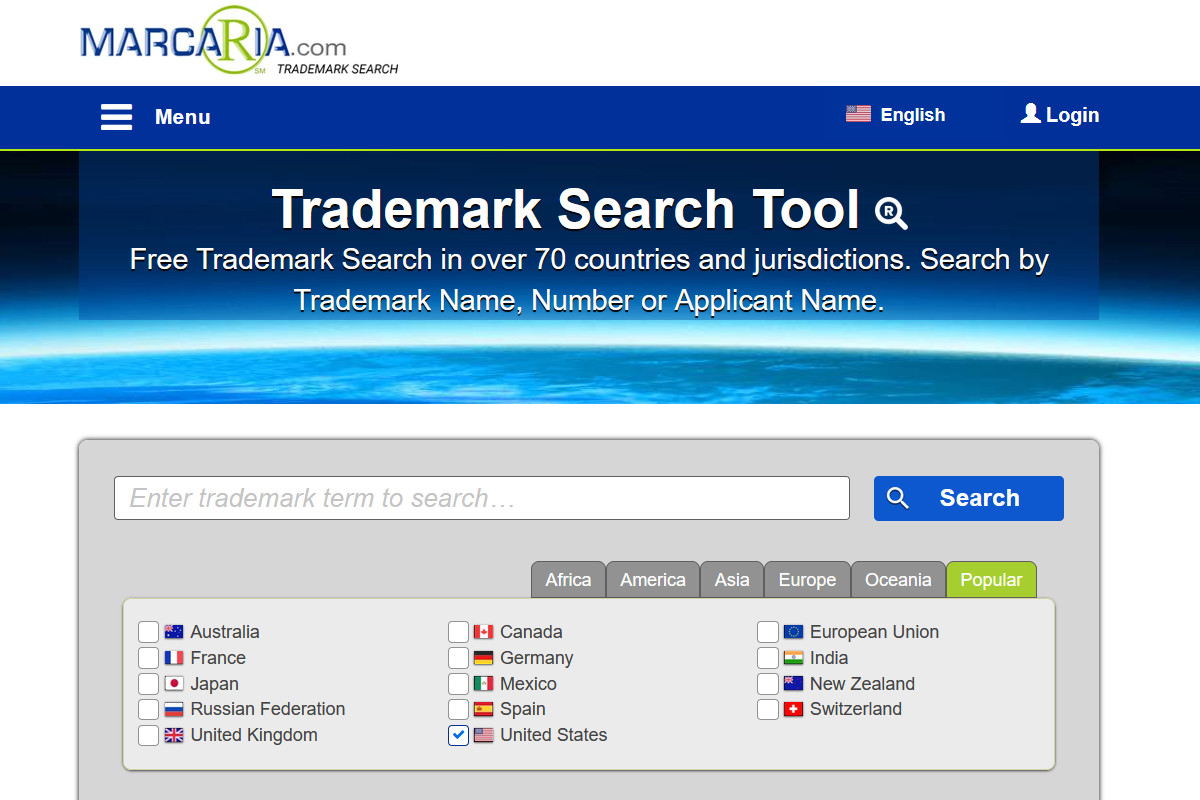
A preliminary search is something a founder can run before the shortlist gets emotional. The USPTO publishes instructions for searching federal trademark records for conflicts, including how to look for similar marks rather than identical ones.
Run that search early and treat the result as a signal, not a verdict. Clearance and any dispute belong with a trademark attorney, and no naming framework, ours included, substitutes for that opinion.
Domain history: what you inherit
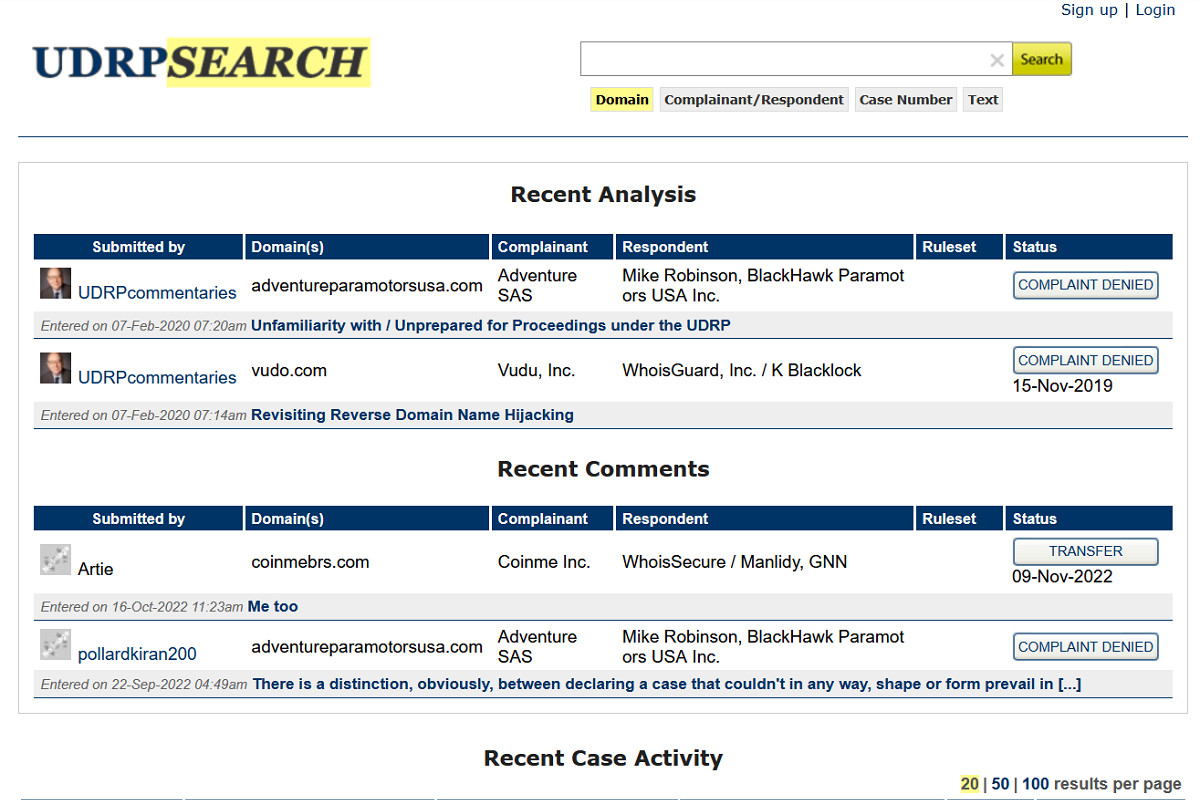
An existing domain arrives with a past. Prior deployment, prior content and prior disputes all transfer with the name, and none of them appear in the name itself. Checking the record is a five minute job that we run before any price conversation.
Registration data is the starting point. ICANN's 2018 guidance for users of the Registration Data Access Protocol explains how RDAP serves registration data in a structured, standardized form, which is what replaced the older free-text lookups most founders still call WHOIS. The reference is ICANN's information for RDAP users.
What you are looking for is a mismatch between the story and the record. A name presented as long held by one owner, with a registration record that says otherwise, is a reason to slow down rather than to walk away, and it changes what you ask for before transfer.
Five Mistakes We See on Founder Shortlists
The same five failures show up across naming projects, and four of them are caught by tests that take minutes.
- A name the founder cannot say once and have written back correctly. This is the phone test failing in the room. The usual cause is a construction that works on a slide and not in speech, such as a dropped vowel or a doubled consonant. It is the cheapest failure to catch and the most expensive to ignore, because the leak is permanent and invisible.
- Ambiguous spelling with a plausible alternative. Any name with a homophone, a British and American spelling split, or an obvious shorter form has a second version in the world. If someone else owns that version, part of your audience is being delivered to them by your own campaigns.
- Trademark clearance left until after acquisition. Founders check whether the domain is available, not whether the name is available, and those are different questions. The order matters: search first, shortlist second, negotiate third. Reversing it is how a company pays for a name it then has to abandon.
- Optimizing for a keyword instead of a brand. A name built from the current service phrase describes the company as it exists this quarter. It reads as a category rather than a company, it is difficult to defend, and it argues with the business the moment the offer widens.
- Skipping the history check on an existing domain. A name that has been deployed before carries that deployment with it, including any dispute record. Reading the registration record and the prior use before the price conversation costs nothing and changes what you are willing to pay.
We publish the sourcing standard we hold ourselves to in our editorial policy, including how we handle figures we cannot verify.
If you are shortlisting names now, the fastest way to test this framework is against real candidates. Our curated marketplace of brandable domain names lists each name with its category and price, and every name on it has already been through the checks in this guide. Bring your own shortlist alongside it and compare.